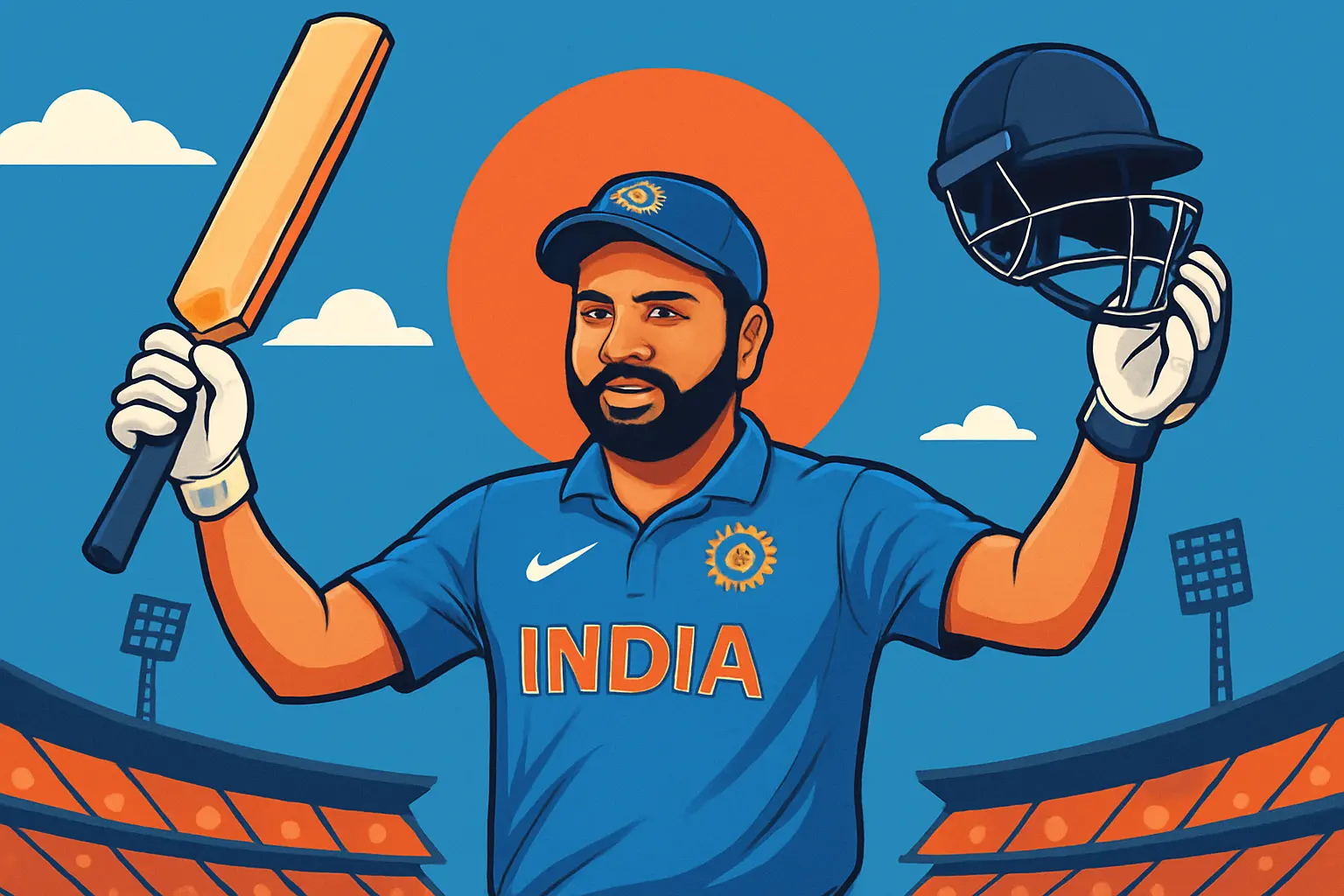


Cricket has a handful of moments that make even the most jaded professional lean forward. The split-second the bowler lets go, the roar after impact, the ball sailing into a different zip code. Then it happens again. And again. Six times in a row. 6 balls 6 sixes isn’t just a statistic—it’s a small earthquake inside the game. It upends match plans, jolts the psyche of the bowler, and turns a stadium into a living, heaving thing.
I’ve spent decades around dressing rooms, analyst boxes, broadcast trucks, and outfields. When the sixth one lands, the quiet conversations are the same everywhere: breathless ticks of disbelief, batters shaking their heads with a grin, analysts replaying angles, and coaches already scribbling notes for the next training cycle. Because 6 balls 6 sixes (or “six sixes in an over”) is theatre and thesis in the same breath. It is audacity welded to execution.
What “6 balls 6 sixes” means inside the game
- Precision over power. These overs aren’t just bludgeon work. They’re sequencing: release point, angle, pace, and shot selection across multiple pockets of the ground.
- Tempo pressure. After two or three sixes, bowlers enter survival mode—flight shortens, yorkers miss, and captains tinker fields to their own detriment.
- Boundary geometry matters. Short square boundaries, long straights, and wind direction shape which shots fly and which die.
- Modern bat speed. Contemporary bat profiles and strength programs mean mishits travel, but the elite overs are usually clean strikes.
A complete, verified list of six sixes in an over (all top levels)
The list below collates every confirmed instance of a batter hitting six sixes in one legal over in recognized senior cricket across internationals and major domestic competitions. For each entry: bowler, bowling type, venue, format/competition, and a short context note.
Master list
Context: The original. Nash tried spin to tempt the great Sobers; the ball kept vanishing over the leg-side fence and straight down the ground. Cricket’s first documented 36 in a single over.
Context: Brutal clarity from Shastri on his way to a record-scorching double-hundred. Tilak Raj’s loop and length remained consistent; the left-hander dismantled the angles.
Context: The first in international limited-overs. Gibbs alternated between muscling across the line and lofting straight. Short square boundaries and the breeze magnified the carnage.
Context: Sparked by a heated exchange with Andrew Flintoff, Yuvraj’s six balls became folklore. The 12-ball fifty that followed sits in the game’s collective memory.
Context: A domestic T20 masterclass in range-hitting. Whiteley’s swing planes matched the angles and he landed the sweet spot repeatedly.
Context: Zazai’s ball-striking at Sharjah felt inevitable. The left-hander thrived on arc and leverage.
Context: Calm violence. Carter’s tempo was unhurried; marginal misses were punished over the rope.
Context: A veteran finisher at his most uncompromising. Perera launched towering straight and over midwicket.
Context: Dananjaya had just taken a hat-trick. Pollard stepped leg-side, read the flight, and launched six clean hits into the Caribbean sky.
Context: Malhotra’s unbeaten epic ended with a perfect storm. PNG missed yorkers; every ball cleared the rope.
Context: Nepal’s talisman turned a tidy over into folklore, finishing with a flurry that surged across social feeds.
That is the definitive dozen across elite men’s cricket that are either international or occur in formally recognized first-class, List A, or sanctioned T20 competitions.
Format-by-format view and what it tells us
T20 internationals
- Yuvraj Singh at Durban vs England (Stuart Broad)
- Kieron Pollard at Antigua vs Sri Lanka (Akila Dananjaya)
- Dipendra Singh Airee at Al Amerat vs Qatar (right-arm medium)
T20I six-sixes emphasize that the white ball travels and that spinners are vulnerable when they miss by inches. Each over unraveled when the bowler lost shape—too full, too straight, or unprepared for a batter stepping across.
ODIs
- Herschelle Gibbs at St Kitts vs Netherlands (Daan van Bunge, leg-spin)
- Jaskaran Malhotra at Al Amerat vs PNG (Gaudi Toka, pace)
One is a World Cup showstopper; the other comes from an associate nation scaling new heights.
Tests
None. There has never been six sixes in one over in Test cricket.
First-class (multi-day)
- Sir Garfield Sobers at Swansea vs Glamorgan (Malcolm Nash)
- Ravi Shastri at Mumbai vs Baroda (Tilak Raj)
List A (domestic)
Thisara Perera at Colombo vs Bloomfield (Dilhan Cooray)
T20 leagues (domestic)
- Ross Whiteley at Leeds vs Yorkshire (Karl Carver)
- Hazratullah Zazai at Sharjah vs Balkh (Abdullah Mazari)
- Leo Carter at Christchurch vs Northern Knights (Anton Devcich)
Player-by-player breakdown, ball-by-ball, and match texture
Sir Garfield Sobers vs Malcolm Nash, Swansea — first-class
Bowler type: A left-arm seamer toying with slow left-arm spin. Ball-by-ball: six lofted blows—three dragged over the leg-side, two muscled straight, one sliced high over extra-cover. The last strike that cleared long-on felt almost dismissive, the flourish of a genius sure of his timing.
Ravi Shastri vs Tilak Raj, Mumbai — first-class
Bowler type: Left-arm orthodox with drift and loop. All six were clean, but varied: two over midwicket, one straight, one over long-off, and two dragged. Targeted precision more than reckless intent.
Herschelle Gibbs vs Daan van Bunge, St Kitts — ODI
Bowler type: Leg-spin tossed up. Gibbs used slog-sweeps and lofts back over the bowler. Warner Park’s square dimensions and the wind helped, but these were aggressive, well-timed strikes.
Yuvraj Singh vs Stuart Broad, Durban — T20I
Bowler type: Fast-medium skiddy seam. Ball-by-ball: pull over cow corner, slice over point, inside-out over extra-cover, whip over backward square, thump over long-on, and back-foot skimmer straight-ish. A classic replayable over.
Ross Whiteley, Hazratullah Zazai, Leo Carter, Thisara Perera, Kieron Pollard, Jaskaran Malhotra, Dipendra Singh Airee
Each over is summarized by bowler type and ball-by-ball notes in the master list above; common themes: small misses, perfect timing, and venue-specific aids such as short square boundaries or wind.
Who conceded six sixes? A bowler index and patterns
Index of bowlers who conceded 6 balls 6 sixes (names and short notes):
- Malcolm Nash — left-arm seamer experimenting with slow left-arm (Sobers)
- Tilak Raj — left-arm orthodox (Shastri)
- Daan van Bunge — leg-spin (Gibbs)
- Stuart Broad — right-arm fast-medium (Yuvraj)
- Karl Carver — left-arm orthodox (Whiteley)
- Abdullah Mazari — left-arm orthodox (Zazai)
- Anton Devcich — left-arm orthodox (Carter)
- Dilhan Cooray — left-arm orthodox (Perera)
- Akila Dananjaya — right-arm off-spin (Pollard)
- Gaudi Toka — medium pace (Malhotra)
- Right-arm medium (Qatar) — Dipendra Singh Airee’s over
Bowler-type trend: Left-arm orthodox is the most frequent culprit. Wrist-spin and pace at the death also appear—missed lengths and marginal errors are punished severely.
What separates the batters who have done it
- Shot catalog. They can find six in multiple directions.
- Reading the bowler early. The first six is often the cleanest because the batter is already set.
- Confidence with local conditions. Wind, boundary shape, and outfield matter.
- Ability to reset mid-over. Calm focus after three or four hits keeps the over intact.
Venue notes and boundary realities
- St Helen’s (Swansea): Coastal winds aided Sobers’ leg-side clearing.
- Wankhede (Mumbai): Amphitheatre for stroke-makers; night air helps carry.
- Warner Park (St Kitts): Short square boundaries and a helping breeze.
- Kingsmead (Durban): Damp air, bigger straight—clean timing rewarded.
- Sharjah: Short, forgiving square boundaries; ideal for power-hitters.
- Hagley Oval (Christchurch): Timing over brute force; true pitch.
- Al Amerat (Oman): Newer facility with fair carry; site of recent associate feats.
Left-handers vs right-handers: does it matter?
Tally of dominant hands among six-sixes hitters:
- Left-handers: Sobers, Shastri, Yuvraj, Whiteley, Zazai, Leo Carter, Thisara Perera
- Right-handers: Herschelle Gibbs, Kieron Pollard, Jaskaran Malhotra, Dipendra Singh Airee
Lefties hold an edge, often due to left-arm orthodox matchups and favorable angles. Right-handers who feature are usually exceptional power hitters or precise readers of spin.
Related records you’ll care about
Most runs in an over in professional cricket
- 36 runs: The pure six sixes number.
- 37 and beyond: No-balls can raise the ceiling; a no-ball + sixes sequence can push overs into the high 30s.
- 43 runs (List A): Ruturaj Gaikwad hit seven sixes in an over that included a no-ball.
Most runs in an over in Tests
No six-sixes in Tests; the record sits below 36 but above 30 thanks to boundaries and extras. Test rhythms—fields, lengths, and context—work against a six-sixes over.
Ball-by-ball sequences: how batters solve the over
A six-sixes over rarely features six identical shots. The tell for elite hitters is adaptability mid-over:
- If first two are leg-side muscled, the bowler often misses width and the batter goes inside-out.
- When a spinner flattens trajectory, the batter may squat and slog-sweep with a longer contact window.
- Against pace at the death: missed yorkers become half-volleys—geometry pre-solved by the batter.
Coaching lens: how do you defend against 6 6s in an over?
- Pre-commit to a plan. For spinners: bowl short or full wide—avoid the in-between.
- Change the angle. Over- and around-the-wicket shifts can scramble hitting lanes.
- Break rhythm legally. Pause at the top, reset the field, then deliver.
- Use the field. Flood leg-side riders or force outside-off with wide yorkers.
- Own a bailout ball. A reliable surprise—cross-seam bouncer, very wide yorker, or dead-straight yorker.
Tactical anatomy of famous overs
Short analyses of key overs and what went wrong from the bowling side:
- Yuvraj vs Broad: Triggered by confrontation and missed field settings; Broad missed length and line repeatedly.
- Gibbs vs van Bunge: Leggie tossed up at a ground with short square boundaries—Gibbs punished the flatter balls.
- Pollard vs Dananjaya: Dananjaya had momentum from a hat-trick; Pollard neutralized mystery with raw power and step-across plans.
- Malhotra vs PNG: A death-overs finish; missed yorkers and wide-full deliveries were exploited.
Why these overs capture the internet
- Clean math: 36 runs, one over—instantly comprehensible.
- Compressed time: a bite-sized miracle that needs little context.
- Iconography: images and clips of players and moments travel well on social feeds.
Bowling-side scars and the quiet resilience afterward
Bowlers must manage the “aftershot”: confidence dips, process fixes, and mid-career recovery. Conceding six sixes becomes a day, not a definition—plenty of bowlers returned to high performance after such an event.
The psychology for the hitter
Many batters describe a “quiet head.” The signature feeling is stillness rather than violence: the decision-making shrinks to seam, pace, and length. Let the over finish; trust training and early contact points.
Frequently referenced companion records
- Most sixes in an international innings: High tallies exist in ODI/T20I; Test totals remain lower.
- Fastest fifties: Yuvraj’s 12-ball fifty remains iconic; faster marks have been chased at regional levels.
- Largest over totals by format: Tests: mid-30s; ODI/List A: record 43 (no-ball + seven sixes); T20: 36 is the canonical benchmark.
Observations the big lists often miss
- Boundary height matters as much as length—tall fences can turn marginal hits into returns.
- Ball age matters: older white balls can die into the pocket; new balls can help initial carry.
- Umpire strictness on wides and no-balls changes death-overs calculus.
Wagon wheels and the 360-degree threat
Visualize a wagon wheel spiked across quadrants: deep midwicket/long-on, over extra-cover, straight past the bowler, backward point/third-man. The best overs hit multiple zones—timing, not brute force, often decides where the ball lands.
Why there hasn’t been a six-sixes over in Tests
- Deeper and smarter fields in Tests.
- Bowlers can consistently hit uncompromising lengths.
- Context: survival and accumulation change the risk calculus.
The anatomy of 7 sixes in an over (and 43 runs)
Ruturaj Gaikwad’s 43-run List A over explains the mechanism: a no-ball plus six legal deliveries. The no-ball creates a free-hit and leaves seven opportunities for maximum punishment.
Do these overs win games?
Often yes, but context matters. Some overs swing the scoreboard decisively (Yuvraj, Gibbs, Pollard); others appear in already-tilted matches. Regardless, such an over becomes the defining chapter of the game.
Video cues if you’re hunting highlights
- Search “yuvraj 6 sixes full video” for ground-level and behind-bowler angles.
- Herschelle Gibbs 6 sixes World Cup: broadcast angles from St Kitts show breeze and ball tracking.
- Kieron Pollard 6 sixes T20I: Antigua replays reveal palm and release detail.
- League clips (Whiteley, Carter, Zazai) are usually on official league channels.
- Jaskaran Malhotra and Dipendra Airee highlights are available on ICC/ACC and national channels.
How many players have done it at top level?
Count it clean: five different players at international level (ODI + T20I), two in first-class, one in List A domestic, and three in domestic T20 leagues—eleven elite recognized entries in total.
Six sixes in associate cricket and why it matters
Jaskaran Malhotra and Dipendra Airee come from associate programs—evidence that bat speed, awareness, and finishing courage exist beyond full members. Al Amerat and similar venues provide a stage for these moments.
Bowler empathy: the unseen detail
- Wind tunnels, new ball or wrong end: small environmental shifts matter.
- Dew and slippery seams make gripping the ball a lottery late on.
- Fielders’ angles and positioning change batter decisions before delivery.
Six-sixes by venue and country snapshots
- South Africa and England: Yuvraj’s Durban memory is indelible.
- Caribbean: Pollard’s Antigua night featured ideal conditions.
- Sharjah and St Kitts: Favor short square boundaries.
- Hagley and Wankhede: Evidence that timing and clean shapes win regardless of postage-stamp boundaries.
Connoisseur’s corner: a closer read on bat mechanics
- Yuvraj Singh: High backlift, supple bottom hand, delayed release—allows diverse directions in one over.
- Kieron Pollard: Minimal foot movement, massive forearm strength, dead-still head.
- Herschelle Gibbs: Fast hands and decisive heel plant—controlled lofts and slices.
- Hazratullah Zazai: Elastic hip hinge and extended arc—trebuchet-like finishes.
- Dipendra Airee: Compact base and explosive short bat path—maximizes carry without a giant stride.
The bowling clinic none of us asked for
- If you’re a left-arm spinner: avoid overpitching to a set left-hander—bowl wider or crank pace to shin height.
- If you’re a death seamer: once you miss the yorker, change immediately—wide yorker, slower bouncer, or cross-seam alternative.
- Don’t chase the next ball on ego; reset, breathe, and execute a different plan.
The last word: why six sixes will keep happening
Bigger bats, clearer roles, crisper surfaces, and a generation raised on range-hitting drills have shifted the curve. Bowlers will adapt, but audacity is impossible to unlearn. Six sixes in an over is more than trivia: it’s a pulse in the sport’s timeline that decodes intent, maps space and angle, and freezes a crowd for six deliveries.
Appendix: quick-reference tables
By format
- T20I: Yuvraj (Broad, Kingsmead), Pollard (Dananjaya, Coolidge), Dipendra Airee (Qatar, Al Amerat)
- ODI: Herschelle Gibbs (van Bunge, St Kitts), Jaskaran Malhotra (Gaudi Toka, Al Amerat)
- First-class: Sobers (Nash, Swansea), Shastri (Tilak Raj, Mumbai)
- List A: Thisara Perera (Dilhan Cooray, Colombo)
- T20 leagues: Whiteley (Carver, Leeds), Zazai (Mazari, Sharjah), Carter (Devcich, Christchurch)
Bowlers who conceded, by type
- Left-arm orthodox: Tilak Raj, Karl Carver, Abdullah Mazari, Anton Devcich, Dilhan Cooray
- Wrist-spin: Daan van Bunge (leg-spin)
- Off-spin: Akila Dananjaya
- Pace/medium: Stuart Broad, Gaudi Toka, right-arm medium (Qatar)
- Experimenting left-arm spin: Malcolm Nash
Related headline records
- Pure 36-run overs: the six-sixes entries.
- Over totals exceeding 36: usually involve no-balls; List A record 43 included seven sixes.
- Test ceiling: mid-30s with extras and boundaries; no six-sixes yet.